

TECHNICAL Specification
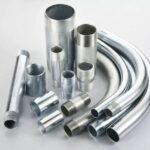
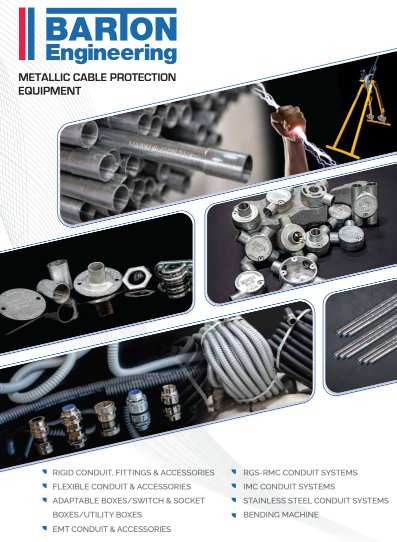
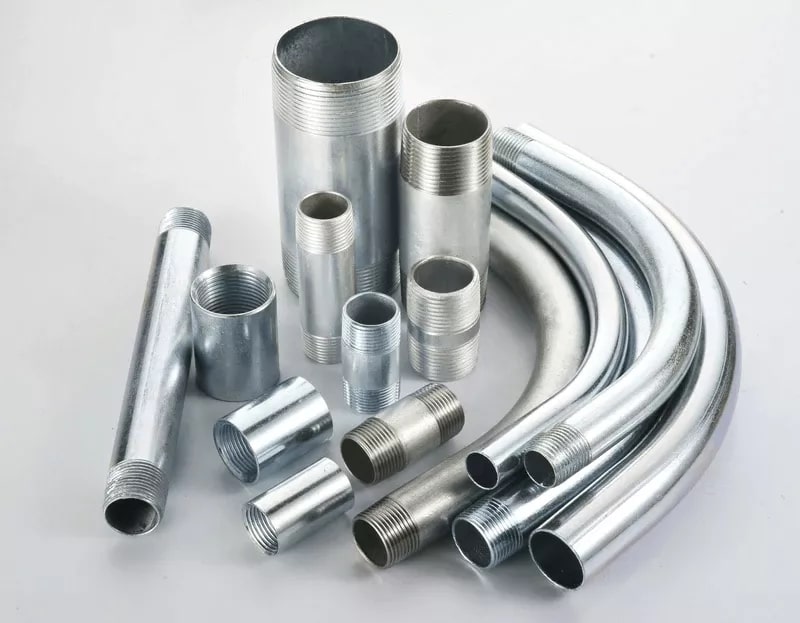
Barton metal conduits and fittings are manufactured from high quality galvanized steel or stainless steel providing strong mechanical protection and durability
Designed according to international standards such as IEC 61386 UL and BS for conduit systems used in electrical installations
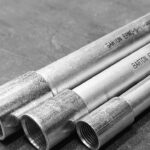
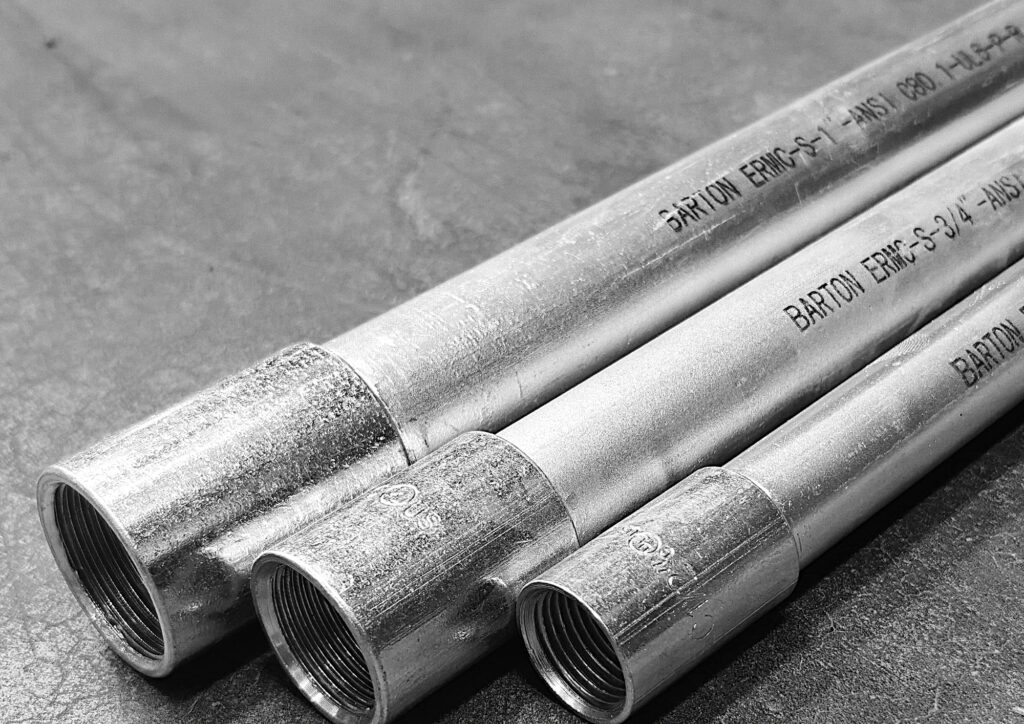
Available in rigid metal conduit and intermediate metal conduit types to suit different applications
Standard finishes include pre galvanized hot dip galvanized or stainless steel for high corrosion resistance
Operating temperature range typically from minus 25 up to 120 degrees Celsius depending on material and installation conditions
Degree of protection depends on installation and fittings and can achieve high resistance to dust and water ingress
High impact strength and crush resistance ensure protection of cables in demanding environments
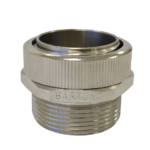
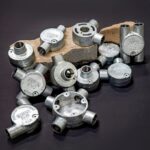
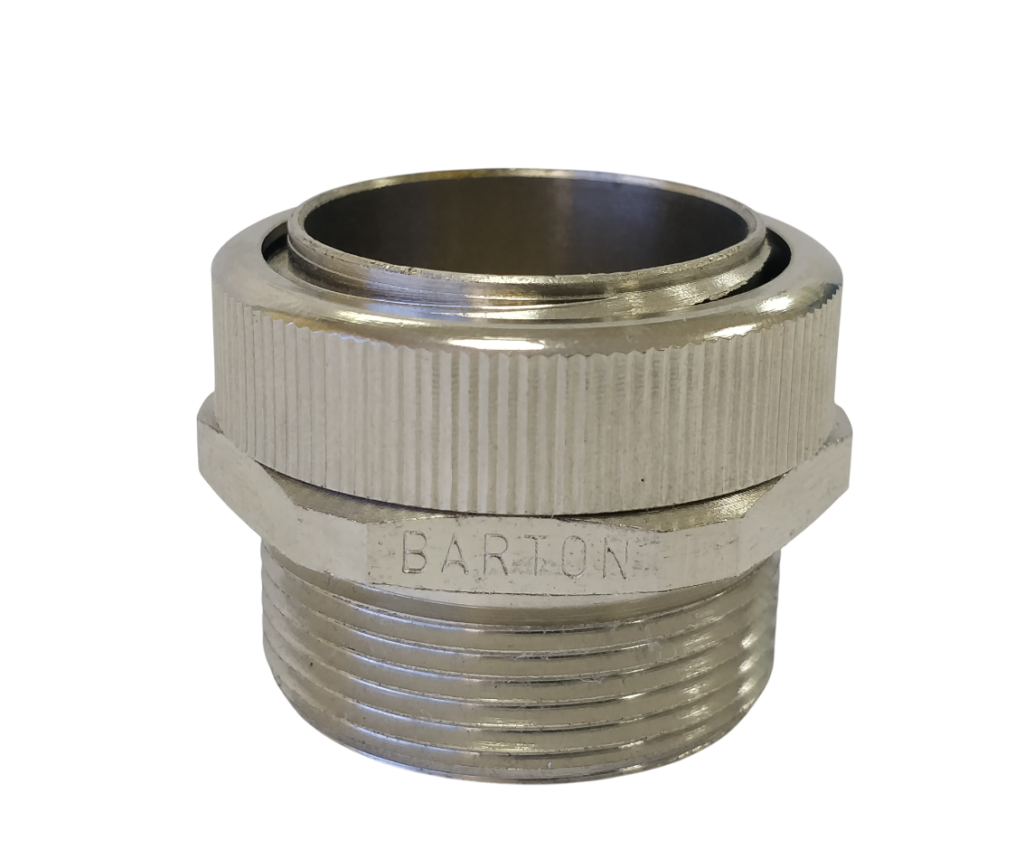
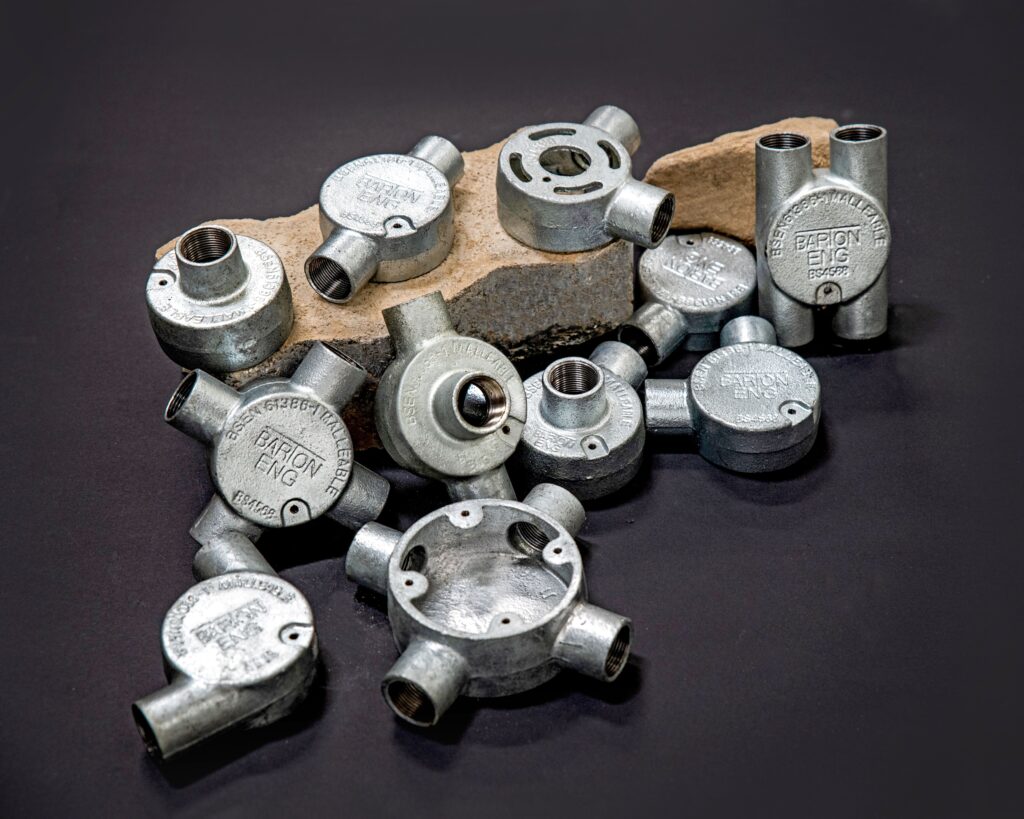
Fittings include couplers elbows connectors locknuts and glands designed for secure and reliable connections
Suitable for use in industrial commercial and hazardous environments when installed with appropriate accessories
Available in various sizes and wall thicknesses to accommodate different cable capacities and installation requirements
Overview & Usage
Barton metal conduits and fittings are used to protect and route electrical cables in installations requiring high mechanical strength and durability
They are commonly installed in industrial facilities commercial buildings and infrastructure projects where cables need strong physical protection
Used in exposed and concealed wiring systems to provide a safe pathway for electrical conductors
Suitable for indoor and outdoor applications including harsh environments with dust moisture and mechanical stress
Provide excellent protection against impact crushing and external damage ensuring long term cable reliability
Used in hazardous areas when combined with certified fittings to ensure safe and compliant installations
Support structured cable routing in power distribution lighting and control systems
Help maintain electrical safety by enclosing cables and reducing risk of contact or damage
Allow easy maintenance and system expansion through standardized fittings and connections
Overall they are essential for robust reliable and safe cable management in demanding electrical environments